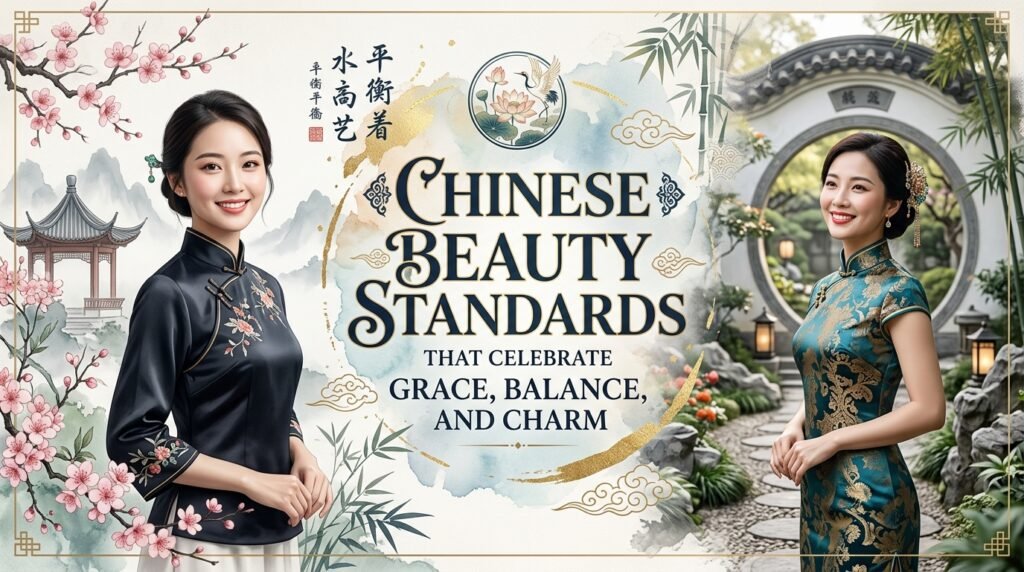
Beauty means different things in different cultures. In China, beauty often connects with grace, harmony, and natural elegance. Many people around the world feel curious about Chinese beauty standards because they mix tradition with modern style. These ideas come from history, culture, and everyday life.
For centuries, Chinese beauty standards focused on balance and softness rather than dramatic looks. Many people admire gentle facial features, smooth skin, and a calm presence. These values are part of Asian beauty standards and deeply rooted in Chinese beauty culture. They reflect the idea that beauty should feel natural and peaceful.
Today, Chinese beauty standards still shape how beauty is seen in China and beyond. Social media, fashion, and celebrities have added new ideas to these traditions. Yet the core idea remains the same. Beauty should show grace, charm, and harmony.
What Chinese Beauty Standards Mean in Modern Society
In modern life, Chinese beauty standards combine tradition with modern influence. Cities like Shanghai and Beijing show how modern beauty ideals in China mix cultural heritage with global beauty trends. Many people still admire softness, elegance, and subtle beauty rather than bold or dramatic looks.
The idea of beauty often reflects Chinese beauty perception shaped by society and culture. For example, many young people follow modern Chinese beauty influencers on social platforms. These influencers share skincare routines, makeup tips, and fashion ideas that influence Chinese beauty preferences across the country.
Technology and digital culture also play a big role. Beauty and social media in China help new trends spread quickly. A makeup style or skincare product can become popular overnight. This has helped shape modern Chinese celebrity beauty trends and influence beauty ideals shaped by the media.
At the same time, cultural values still guide beauty ideas. Chinese beauty philosophy often highlights balance and harmony in beauty. Instead of extreme changes, beauty focuses on enhancing natural features. This idea connects closely with traditional Chinese femininity and cultural elegance.
These ideas also shape daily expectations. Many people follow certain cultural beauty expectations in fashion, grooming, and lifestyle. They aim for a calm and refined appearance rather than loud or attention-seeking styles.
How Chinese Beauty Standards Have Changed Over Time
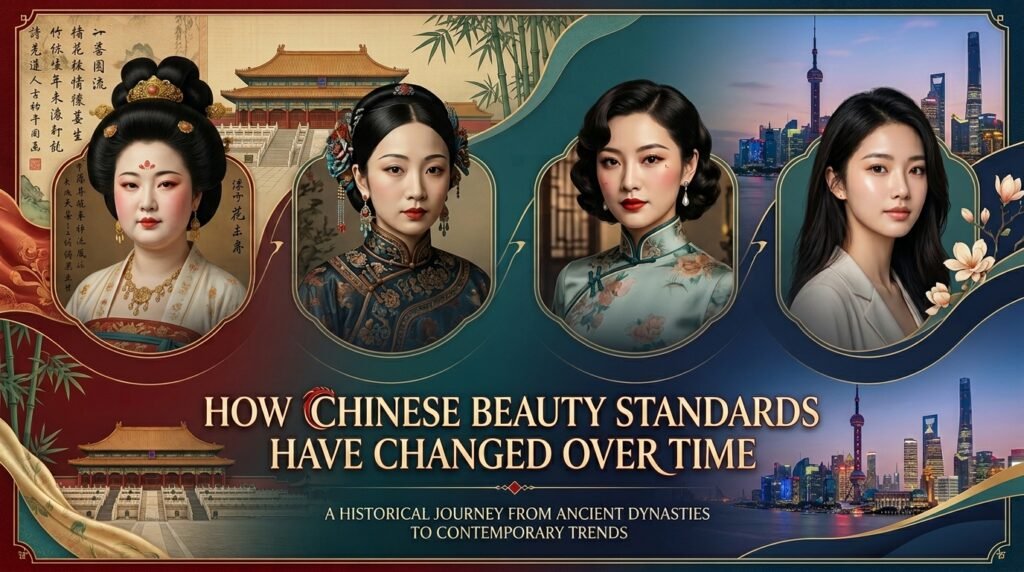
The story of Chinese beauty standards goes back thousands of years. Ancient art, poetry, and literature often described beauty in poetic ways. These stories give us insight into Chinese beauty history and how beauty ideals developed.
Beauty has always been strongly beauty influenced by Chinese history. In ancient dynasties, women often represented elegance, grace, and refinement. These early ideals shaped beauty ideals in ancient China and continue to influence beauty culture today.
Traditional values still appear in modern beauty discussions. Many of today’s ideas come from traditional Chinese beauty ideals passed down through generations. These traditions form the foundation of many Chinese beauty traditions seen in art, clothing, and lifestyle.
Symbolism also played an important role. Historical paintings often showed beauty through gentle posture and elegant clothing. These ideas reflected deeper meanings linked to Chinese beauty symbolism and social values.
Over time, beauty ideals began to change. Modern media and fashion industries introduced modern Chinese beauty trends that combine tradition with innovation. Today, East Asian beauty standards influence beauty culture across many countries.
Another important factor is global beauty exchange. The growing influence of K-beauty and C-beauty has changed how beauty products and routines evolve. Korean skincare innovation and Chinese beauty brands now shape Chinese beauty industry trends.
These changes show that beauty continues to evolve. Modern society constantly reshapes evolving beauty trends in China while still respecting tradition.
Key Features That Define Chinese Beauty Standards Today
Modern Chinese beauty standards highlight elegance, softness, and balance. These ideals reflect both traditional values and modern lifestyle influences. Many of these features appear repeatedly in fashion, beauty advertising, and media.
Facial Features and Structure
One major element of Chinese beauty ideals involves facial harmony. Many people admire Chinese facial features and beauty such as smooth skin and gentle expressions. Softness and symmetry play a strong role in Chinese aesthetic standards.
Many beauty trends also emphasise delicate facial features that create a refined appearance. A popular trend is the small face beauty trend, often associated with elegance and youthfulness. Another common ideal is the V-shaped face ideal, which creates a slim and balanced facial outline.
Eye appearance also matters in beauty discussions. Some people value the double eyelid preference, which can make eyes appear larger and more defined. These ideas contribute to broader graceful appearance standards and reflect traditional Chinese feminine beauty ideals.
Skin and Hair Beauty Ideals
Clear skin is often seen as one of the most admired traits. The pale skin beauty ideal remains a strong part of beauty culture. Many people admire the smooth, glowing porcelain skin look.
Because of this focus, Chinese skincare trends are extremely important. Many individuals follow a skincare focused beauty routine that includes cleansing, hydration, and sun protection. Skincare often matters more than heavy makeup.
Hair also plays a role in beauty ideals. Many people admire straight black hair beauty, which symbolises youth and elegance.
Body Shape and Overall Appearance
Physical shape also influences beauty ideals. A slim body preference often appears in fashion and media discussions. However, the focus usually remains on grace rather than extreme thinness.
Youthful appearance also matters. The youthful appearance ideal reflects energy, health, and freshness. Many beauty routines aim to maintain this youthful glow.
Another key element is overall presence. A soft and refined look often defines an elegant feminine appearance. This style often highlights a soft feminine beauty look rather than bold glamour.
Natural Beauty and Cultural Values
At the heart of these ideas lies Chinese natural beauty ideals. Beauty should feel effortless and authentic. This belief connects closely with natural beauty in Chinese culture and the idea that elegance should look natural rather than artificial.
How Chinese Beauty Standards Influence Fashion and Skincare Trends
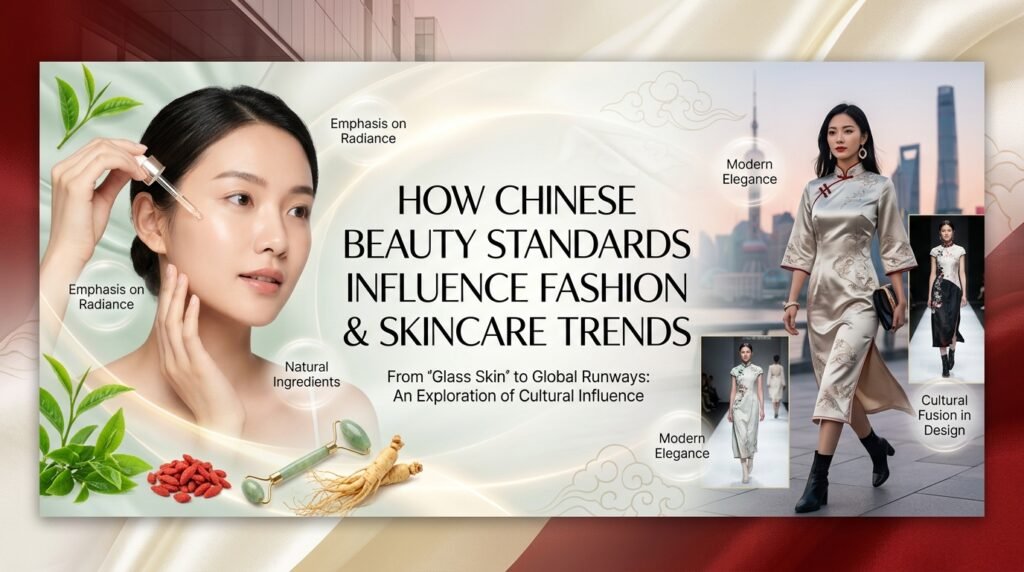
Beauty ideals strongly affect the fashion and cosmetics industries. Many global brands now study Chinese cosmetic trends to understand consumer preferences.
These trends also shape international markets. Beauty companies follow Chinese beauty industry trends because China has one of the largest beauty markets in the world.
Makeup styles often aim to enhance natural features. Many Chinese makeup trends focus on light foundation, soft blush, and natural lip colours. These techniques help create the glowing porcelain skin look many people admire.
Fashion also reflects beauty ideals. Clothing styles often complement Chinese beauty preferences and elegant aesthetics. Designers frequently highlight simplicity and refinement that match Chinese aesthetic standards.
Another interesting trend involves global influence. The growth of Chinese beauty brands has expanded beauty culture in China into global markets. International audiences increasingly admire Chinese beauty ideals because they emphasise balance, elegance, and natural charm.
FAQs
Why do people talk about beauty ideals in China so often?
Many cultures study Chinese beauty standards because they blend tradition, harmony, and modern influence, shaping beauty discussions across Asia and globally.
Why is fair skin often admired in many Asian cultures?
Many historical values shaped Chinese beauty standards, where lighter skin symbolised elegance and refinement within traditional beauty culture.
Do celebrities influence beauty trends in China?
Yes. Entertainment and influencers strongly shape Chinese beauty standards by promoting skincare routines, makeup ideas, and fashion styles.
Are beauty ideals in China changing today?
Modern society is slowly reshaping Chinese beauty standards through social media, global beauty trends, and evolving fashion culture.
Why does skincare matter so much in Chinese beauty culture?
Healthy skin supports Chinese beauty standards, which emphasise natural glow, balance, and long-term skincare routines.
Do traditional values still influence modern beauty in China?
Yes. Many aspects of Chinese beauty standards still come from ancient cultural beliefs about elegance, harmony, and natural beauty.
Are these beauty ideas popular outside China too?
Yes. Many international brands follow Chinese beauty standards because they influence global skincare, fashion, and beauty markets.
Conclusion
Beauty is more than appearance. It reflects culture, values, and history. That is why Chinese beauty standards continue to fascinate people around the world. These ideals combine elegance, simplicity, and balance.
Over time, Chinese beauty standards have evolved through fashion, media, and technology. Yet their core idea still focuses on harmony and natural charm. From skincare routines to fashion choices, these values influence many aspects of modern beauty culture. Today, Chinese beauty standards inspire global trends in skincare, cosmetics, and style. Their focus on grace and balance reminds us that beauty does not need to be loud. Sometimes the most powerful beauty is quiet, natural, and timeless.
Beauty forever starts here: simple skincare, food, and lifestyle tips that keep your glow youthful, even on busy days.