
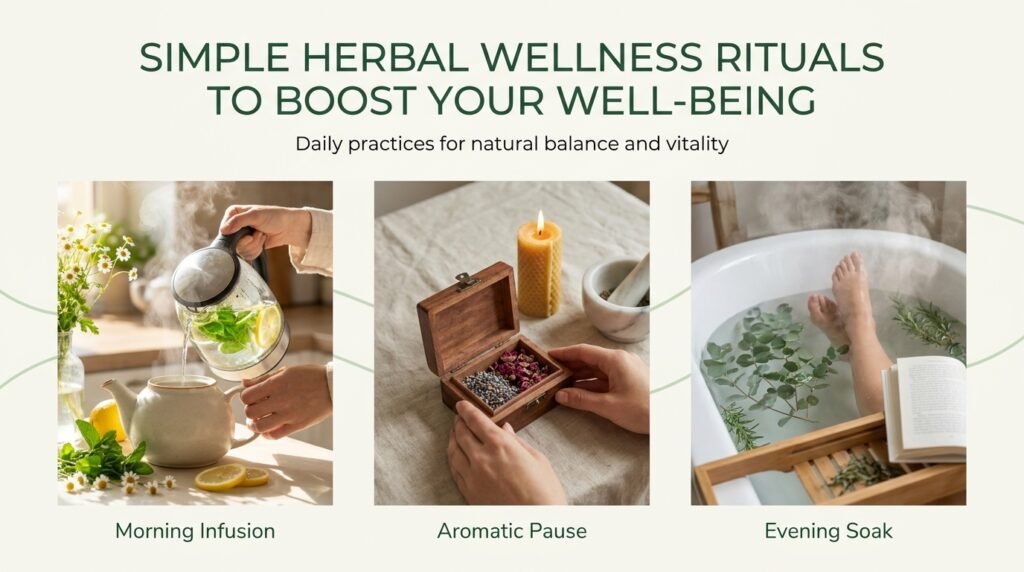
Nobody wakes up one morning and decides to feel exhausted, anxious, and disconnected from their own health. It happens gradually — one skipped meal, one sleepless night, one stressful week at a time. Herbal wellness offers a quiet, powerful way back, not through dramatic overhauls or expensive interventions, but through small, consistent rituals rooted in nature’s most generous gifts.
The beauty of herbal wellness lies in its simplicity. A sprig of rosemary steeped in hot water. A teaspoon of ashwagandha stirred into warm oat milk. These aren’t grand gestures — they’re tiny acts of self-respect that compound beautifully over time. Thousands of people across the UK and the US are already experiencing this shift firsthand.
This guide walks you through everything — the science, the rituals, the best herbs, the myths, and the practical steps to begin. Whether herbal wellness is a completely new concept or something you’ve been curious about for a while, there’s something genuinely valuable waiting for you here. Let’s get into it.
What Is Herbal Wellness and Why Does It Matter for Your Health
Defining Herbal Wellness in Simple Terms
Picture your body as a garden. Left unattended, weeds creep in — fatigue, inflammation, poor digestion, disrupted sleep. Herbal wellness is the practice of tending that garden deliberately, using plants that have coexisted with human biology for longer than recorded history. It’s not about replacing doctors or dismissing science. It’s about recognising that plants carry compounds our bodies already know how to use.
Plant-based medicine operates on a fundamentally different logic than pharmaceutical intervention. Rather than isolating a single molecule to suppress a single symptom, it works with the body’s existing regulatory systems — supporting, nudging, and nourishing rather than overriding. Holistic herbal care treats sleep, digestion, stress, immunity, and mood as the interconnected web they genuinely are, not as separate problems requiring separate solutions.
This approach feels radical in an age of instant fixes. In reality, it’s the oldest medical tradition on earth — practised across every continent, every culture, and every era of human civilisation. The shift happening right now isn’t a discovery. It’s a remembering.
Why More People Are Turning to Natural Herbal Remedies
Walk through any market in Manchester or browse any wellness platform in California, and the same story unfolds. Natural herbal remedies aren’t sitting quietly on specialist shelves anymore — they’re centre stage. Herbal tea sales in the UK alone have grown by over 40% in the past decade. Adaptogen supplements in the US represent a multi-billion-pound market that shows no signs of slowing. This isn’t mass delusion. It’s a collective response to a genuine gap in conventional health culture.
People are increasingly fatigued by reactive healthcare — systems that wait for breakdown before offering support. Traditional herbal treatments, by contrast, operate preventively. They ask not “what’s wrong?” but “what does this person need to stay well?” That reframing resonates deeply with anyone who has spent time chasing symptoms rather than building genuine resilience.
In the UK, the National Institute of Medical Herbalists has represented professional botanical practice since 1864 — making it the world’s oldest professional body of practising medical herbalists. Across the Atlantic, integrative medicine departments at leading universities are conducting rigorous trials on medicinal herbs and plants that practitioners have championed for generations. The gap between tradition and science is narrowing faster than most people realise.
What Herbal Wellness Isn’t — Setting the Record Straight
Here’s something that deserves to be said clearly and without apology: herbal wellness is not a cure-all. It won’t dissolve a tumour, reverse advanced diabetes, or replace heart medication. Any practitioner, product, or platform that claims otherwise is misleading you, and you should walk away from them immediately.
What herbal healing practices genuinely offer is meaningful support — for energy, sleep, stress, digestion, immunity, mood, and skin — when used consistently, correctly, and with realistic expectations. They work best alongside decent nutrition, adequate movement, and managed stress levels. Think of herbs as intelligent allies, not miracle workers.
It’s equally important to understand that medicinal herbs and plants are pharmacologically active substances. They interact with body systems in real, measurable ways — which means they can also interact with medications, affect existing conditions, and cause unwanted effects if misused. Respect for herbs is not optional. It’s the foundation of safe and effective practice.
The Science Behind Herbal Wellness and Natural Healing

How Herbal Medicine Works in the Body
Every plant produces chemical compounds for its own survival — to defend against pests, attract pollinators, compete with neighbouring plants, and repair cellular damage. Remarkably, many of these same compounds interact with human physiology in profoundly beneficial ways. This is not a coincidence. Humans and plants have co-evolved for millions of years, and our biochemistry reflects that shared history.
How herbal medicine works in the body depends entirely on the specific compounds a plant contains. Adaptogens — a functional category encompassing herbs like ashwagandha, rhodiola, and eleuthero — work by calibrating the hypothalamic-pituitary-adrenal axis, the central command system governing your stress response. In people experiencing chronic stress, this system becomes dysregulated, producing cortisol at times and levels that actively damage health. Adaptogenic natural herb extracts help restore appropriate regulation — not by sedating or stimulating but by genuinely normalising.
Other herbs function as enzyme inhibitors, blocking inflammatory pathways before they escalate. Some modulate gut microbiome composition, shifting the balance towards bacteria that produce anti-inflammatory short-chain fatty acids. Others cross the blood-brain barrier and interact directly with neurotransmitter systems. The mechanisms are diverse, specific, and — increasingly — well-documented in peer-reviewed literature.
What the Research Says About Plant-Based Medicine
The scientific community’s relationship with plant-based medicine has shifted considerably over the past generation. Once dismissed as folklore by mainstream medicine, botanical research now appears regularly in journals including The Lancet, JAMA, and PLOS Medicine. Funding from both public health bodies and private research institutions has grown substantially, and the quality of herbal clinical trials has improved dramatically.
Germany’s Commission E — a governmental scientific body established in the 1970s — has formally evaluated and approved over 300 herbal preparations for specific clinical uses. These approvals follow rigorous review of safety and efficacy data. St John’s Wort for mild to moderate depression. Valerian for sleep disturbance. Peppermint oil for irritable bowel syndrome. These aren’t alternative medicine curiosities — they’re formally approved therapeutic preparations used by mainstream practitioners across Europe.
Herbal health supplements meeting pharmaceutical-grade manufacturing standards are increasingly subjected to the same randomised controlled methodology applied to synthetic drugs. The results are building a genuinely impressive evidence base — not claiming herbs cure everything, but demonstrating clearly that specific herbs produce specific, measurable, clinically meaningful effects in human subjects. That’s exactly what good medicine looks like.
The Role of Herbal Nutrition Benefits in Overall Health
Here’s an aspect of botanical wellness that conventional supplement culture consistently undervalues: herbs are extraordinarily nutritious, not in the vague, marketing-copy sense of the word but in the measurable, biochemical sense. Moringa leaf powder contains more vitamin C per gram than almost any food on earth. Nettle delivers usable iron, magnesium, calcium, and vitamins A and K in concentrations that put many commercial supplements to shame. Dandelion greens carry more beta-carotene than carrots and more calcium than milk.
Herbal nutrition benefits extend far beyond conventional vitamins and minerals into the territory of secondary metabolites — polyphenols, flavonoids, terpenes, alkaloids, and glucosinolates — compounds that don’t appear on standard nutritional labels but play critical roles in human health. These molecules regulate gene expression, modulate inflammation, support detoxification enzyme systems, and interact with the gut microbiome in ways that ripple across virtually every aspect of physiology.
The long-term benefits of using medicinal herbs, achieved through daily dietary incorporation, are cumulative and systemic. They don’t announce themselves dramatically. They simply raise your baseline — your energy floor, your sleep quality, your stress tolerance, your immune resilience — until one day you realise you haven’t been ill in months and your afternoon energy no longer collapses at 3 pm. That’s what sustained herbal nutrition does, quietly and without fanfare.
Top Herbal Wellness Practices to Add to Your Daily Routine
Morning Rituals — Starting Your Day the Herbal Way
Your morning is prime physiological real estate. Cortisol peaks naturally within 30–45 minutes of waking — a phenomenon called the cortisol awakening response — priming your body for alertness and activity. This window is the ideal time to layer in herbal energy boosters that work synergistically with your body’s natural rhythms rather than fighting against them.
Panax ginseng has been studied in multiple well-designed trials and consistently shown to improve reaction time, working memory accuracy, and subjective energy levels in adults experiencing fatigue. Maca root — a cruciferous adaptogen from the Peruvian Andes — supports hormonal equilibrium and physical stamina with a gentle, sustained quality that feels fundamentally different from caffeine’s sharp rise and inevitable crash. Peppermint tea, consumed or simply inhaled, has been demonstrated to increase alertness and accuracy on cognitive performance tests within minutes of exposure.
Natural herbs for energy and focus aren’t about creating artificial stimulation. They’re about supporting the systems your body already uses to generate and sustain genuine energy — the adrenal axis, mitochondrial function, and neurotransmitter synthesis. Used each morning consistently, they recalibrate your baseline rather than just temporarily elevate it. That distinction — sustainable support versus temporary lift — is what makes herbal morning rituals genuinely worth building.
Midday Habits — Staying Balanced Through the Day
The afternoon energy dip isn’t weakness or poor discipline. It’s circadian biology — your cortisol naturally decreases across the day, and your body temperature follows a rhythm that produces genuine drowsiness in the early afternoon, regardless of how well you slept. Rather than fighting this biology with stimulants, working with it through gentle herbal support produces far better long-term results.
Herbal stress relief during the midday hours works most effectively through adaptogens and nervines — herbs that calm nervous system overactivation without producing drowsiness. Lemon balm is criminally underused in this context. A member of the mint family with a gentle lemony fragrance, it contains rosmarinic acid and flavonoids that simultaneously reduce anxiety, improve mood, and sharpen focus. One well-designed study found significant improvements in mood and cognitive performance in participants given lemon balm extract — effects that appeared within a single hour of administration.
Safe herbs for a daily wellness routine at this time of day include tulsi (holy basil) — revered in Ayurvedic tradition as an adaptogen for the mind — and passionflower, which is exceptional for the kind of anxious, circular thinking that disrupts afternoon productivity. A small tincture in a glass of water. A prepared herbal tea kept in a flask. A capsule taken with lunch. The format matters less than the consistency of the habit.
Evening Wind-Down — Herbal Sleep Remedies That Work
Sleep is the non-negotiable foundation beneath every other health goal. Without adequate, quality rest, nutrition doesn’t optimise, exercise doesn’t recover, stress doesn’t resolve, and immune function doesn’t regenerate. Yet an estimated 16 million adults in the UK alone report regular difficulty sleeping — a figure that has grown consistently over the past decade.
Herbal sleep remedies are among the most evidence-rich areas of botanical medicine. Valerian root (Withania somnifera) — the most extensively studied herbal sleep preparation — contains valerenic acid and isovaleric acid that interact with GABA-A receptors, the same receptor system targeted by benzodiazepine medications, but without creating chemical dependency or morning cognitive impairment. Multiple systematic reviews have concluded that valerian meaningfully improves both sleep onset and sleep quality in adults with insomnia.
How to use herbs for better sleep is as much about ritual as it is about chemistry. Begin your herbal evening practice 60–90 minutes before your intended sleep time. A warm blend of chamomile, passionflower, and lavender signals to your autonomic nervous system that the day’s demands are genuinely over. Chamomile’s apigenin content binds directly to brain receptors associated with relaxation.
Passionflower reduces mental chatter. Lavender — used aromatically on your pillow or as a tea — has been validated in clinical research for both reducing anxiety and improving sleep architecture. Together, these herbs create a neurological environment that makes quality sleep not just possible but almost inevitable.
How Herbal Wellness Supports Mental Clarity and Stress Relief

Herbal Remedies for Stress and Anxiety — What Actually Helps
Stress has become so woven into modern daily life that many people have genuinely forgotten what being unstressed feels like. They’ve normalised a baseline of tension, low-grade dread, and constant mental noise — treating these states as personality traits rather than physiological conditions that respond to targeted intervention. Herbal remedies for stress and anxiety work precisely because they address the underlying biology of the stress response rather than just masking its symptoms.
Ashwagandha’s credentials here are extraordinary. In a rigorous double-blind placebo-controlled trial, participants taking standardised ashwagandha root extract for eight weeks experienced a 41% reduction in anxiety scores and a statistically significant reduction in morning serum cortisol compared to the placebo group. These aren’t mild, subjective improvements — they’re measurable biochemical changes in one of the body’s primary stress markers. Herbal stress relief through ashwagandha works because it genuinely recalibrates the hypothalamic-pituitary-adrenal axis rather than simply numbing the nervous system.
“The plant heals not by removing the stress from your life but by changing your relationship to it — making you larger than what previously overwhelmed you.” — David Hoffmann, Medical Herbalist and author of Medical Herbalism
Rhodiola rosea adds a different but complementary dimension. Where ashwagandha works deeply and slowly, rhodiola acts more quickly — studies have shown meaningful reductions in mental fatigue and improvements in concentration within just a few days of use. For people managing high cognitive demands alongside significant stress, the ashwagandha-rhodiola combination represents one of the most reliable natural protocols available.
How Herbs Support Mental Health Beyond Stress
The conversation around herbs and psychological wellbeing extends well beyond stress management into genuinely exciting scientific territory. How herbs support mental health encompasses neurogenesis (the growth of new brain cells), neuroplasticity (the brain’s ability to form new connections), neurotransmitter synthesis, and the increasingly understood gut-brain axis — the bidirectional biochemical communication system between your enteric nervous system and your central nervous system.
Lion’s mane mushroom has generated perhaps the most remarkable research in this space. Its unique compounds — hericenones and erinacines — have been shown to cross the blood-brain barrier and stimulate the synthesis of both Nerve Growth Factor and Brain-Derived Neurotrophic Factor.
These proteins are fundamental to neuronal survival, the formation of new synaptic connections, and the maintenance of cognitive function across the lifespan. Low BDNF levels are consistently associated with depression, anxiety disorders, and accelerated cognitive ageing. Lion’s mane appears to meaningfully address this deficit in ways that no synthetic compound currently replicates.
Herbs for gut health and digestion connect directly to mental health through the gut-brain axis in ways that would have seemed implausible to mainstream medicine just two decades ago. Your gut produces 90–95% of your body’s serotonin — not your brain. The health of your intestinal lining, the diversity of your gut microbiome, and the efficiency of your digestive processes are therefore not peripheral to mental health. They are central to it. Herbs like marshmallow root, slippery elm, and ginger that nurture gut integrity are simultaneously nurturing emotional resilience, cognitive clarity, and mood stability.
Herbal Approaches to Holistic Health and Emotional Balance
Herbal approaches to holistic health rest on a principle that feels radical only because modern Western medicine abandoned it relatively recently: the human being is an integrated whole, not a collection of separate organ systems to be managed independently. Your liver affects your mood. Your gut affects your immunity. Your nervous system affects your digestion. Your sleep affects your hormonal balance. Everything talks to everything else, constantly.
Ayurvedic herbal wellness has operated from this systems perspective for over 5,000 years. Its framework — which categorises constitutional tendencies, seasonal influences, digestive capacity, and mental temperament into a coherent model — prescribes botanical support not based on symptom labels but based on the whole person in their whole context. The same presentation of fatigue in two different people might reflect entirely different underlying imbalances and therefore call for entirely different herbal support.
You don’t need to master Ayurvedic philosophy to benefit from this thinking. The core shift — from “what herb treats this symptom?” to “what does my body, in this season, with these specific tendencies, genuinely need right now?” — is available to anyone willing to pay attention. Holistic herbal care isn’t a system you adopt wholesale. It’s a quality of attentiveness you cultivate gradually, one cup of tea, one journal entry, one careful observation at a time.
Beginner’s Guide to Starting Your Herbal Wellness Journey
Herbal Wellness for Beginners — Where to Start
The single biggest obstacle to a lasting herbal wellness practice isn’t lack of information — it’s too much of it. The internet’s enthusiasm for herbal knowledge is genuine but overwhelming, and most beginners respond by either buying ten things at once or buying nothing at all. Both responses lead to the same outcome: nothing changes.
Herbal wellness for beginners works when it starts embarrassingly small. Choose one herb. Something pleasant, familiar, and low-risk. Chamomile, ginger, or peppermint — any of these works beautifully as an entry point. Use it every single day for two weeks. Not occasionally. Every day. Notice what changes. Does your stomach feel calmer? Do you sleep more deeply? Does your afternoon feel less chaotic? This quality of deliberate noticing is itself a foundational wellness practice that deepens your relationship with your body over time.
How to improve wellness naturally is ultimately about building a feedback loop between attentive action and honest observation. Herbs are the tools — your body’s responses are the information. Together, they create a self-knowledge that no blood test or health app can replicate. Start there. Everything else follows naturally.
The Best Herbs for Health and Healing if You’re Just Starting Out
Certain herbs have earned their place at the top of every beginner’s list through a rare combination of broad accessibility, excellent safety profiles, strong research support, and versatile application across multiple health concerns. These five form a brilliant foundation:
Chamomile (Matricaria chamomilla) earns its status as the people’s herb through consistent, reliable performance across sleep, digestion, anxiety, and inflammation — all in a cup that costs pennies and takes minutes to prepare. Ginger (Zingiber officinale) is arguably the most versatile herb in existence, supporting digestive comfort, circulation, immune function, nausea relief, and inflammation reduction with equal effectiveness.
Peppermint (Mentha piperita) addresses tension headaches, digestive cramping, mental fatigue, and nasal congestion — a four-in-one that belongs in every herbal wellness kitchen. Turmeric (Curcuma longa), always paired with black pepper for dramatically improved bioavailability, delivers curcumin — one of the most studied anti-inflammatory compounds in nutritional science. Finally, echinacea (Echinacea purpurea) offers reliable, evidence-backed immune support that has been formally validated across dozens of clinical trials.
What herbs are good for the body ultimately varies between individuals but these five address the most universal health concerns without demanding specialist knowledge, expensive equipment, or significant time investment. Best herbs for health and healing are rarely the most exotic ones. They’re the ones you’ll actually use.
Choosing the Right Herbs for Your Health Goals
Once your foundational herbal practice feels natural and automatic, personalisation becomes the next evolution. Choosing the right herbs for your health means moving from general wellness support to targeted, intentional botanical strategy. This requires honest self-assessment: where does your body most consistently struggle? Where does your energy, resilience, or comfort fall short most often?
Poor and unrefreshing sleep points clearly towards valerian, passionflower, and lemon balm. Persistent stress and emotional overwhelm call for ashwagandha and rhodiola. Frequent respiratory infections suggest elderberry, echinacea, and astragalus. Chronic digestive discomfort responds well to a combination of ginger, fennel, peppermint, and slippery elm. Brain fog and mental fatigue — increasingly common across both age groups and professions — are addressed intelligently by lion’s mane and ginkgo biloba.
Herbal health supplements arrive in multiple formats and your choice between them should reflect your lifestyle rather than any arbitrary preference. Tinctures are fast-acting and highly bioavailable — ideal for acute situations or herbs with complex active compound profiles. Capsules offer convenience and precise standardised dosing — perfect for daily adaptogen protocols. Teas provide a gentler, more ritual-based delivery that many people find genuinely therapeutic in itself. Powders blend seamlessly into smoothies, porridge, or warm drinks. All formats have genuine merit. The best one is whichever you’ll use every single day without negotiation.
The Most Powerful Herbs Used in Herbal Wellness Today
Medicinal Herbs and Plants You Need to Know About
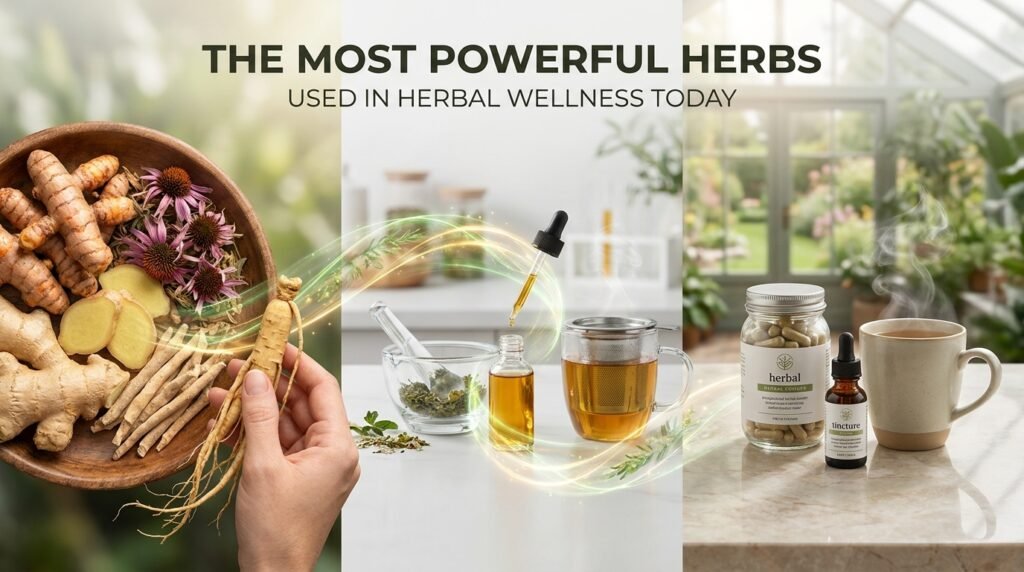
Nature’s pharmacy is staggering in its breadth. Of the roughly 391,000 documented plant species on earth, approximately 28,000 carry validated medicinal applications. Within the world of contemporary herbal wellness, a core group of medicinal herbs and plants have risen through the intersection of traditional use and modern validation to occupy positions of genuine clinical relevance.
Turmeric holds an almost unchallenged position at the summit of herbal anti-inflammatory research, with curcumin demonstrating effects on NF-kB signalling pathways (a master regulator of inflammation) that have been replicated across thousands of studies. Ashwagandha remains the gold-standard adaptogen for stress, hormonal balance, physical endurance, and sleep quality — validated across multiple patient populations in rigorous trial conditions. Ginger earns perpetual inclusion through its therapeutic range — antiemetic, anti-inflammatory, carminative, circulatory, and immunomodulatory effects documented across centuries of use and decades of modern research.
Elderberry has moved decisively from a folk remedy to clinically validated immune support — with studies demonstrating that its anthocyanins inhibit viral attachment to host cell receptors through mechanisms that are now well characterised at the molecular level. Milk thistle’s silymarin complex actively stimulates hepatocyte protein synthesis and reduces liver cell membrane permeability to toxins — making it not just liver-protective but actively regenerative.
Reishi mushroom modulates immune function through beta-glucan polysaccharides while simultaneously supporting cardiovascular health, stress resilience, and sleep quality. Each of these natural herbal remedies represents a distinct therapeutic profile — and together they form the most reliable, evidence-informed toolkit in modern botanical practice.
Herbal Anti-Inflammatory Powerhouses — Nature’s Pain Relievers
Chronic inflammation has been described in medical literature as the common biological thread linking cardiovascular disease, metabolic syndrome, neurodegenerative conditions, autoimmune disorders, and several cancers. Addressing this inflammatory burden through herbal anti-inflammatory strategies is therefore not a peripheral wellness concern — it’s a central pillar of disease prevention and longevity.
Herbs that reduce inflammation naturally operate through several distinct biochemical pathways. Boswellia serrata resin contains boswellic acids that selectively inhibit 5-lipoxygenase — the enzyme responsible for producing pro-inflammatory leukotrienes — without the gastrointestinal damage associated with conventional non-steroidal anti-inflammatory use. This selectivity makes Boswellia particularly valuable for people who need sustained anti-inflammatory support but cannot tolerate long-term NSAID use. Clinical trials have demonstrated its effectiveness for osteoarthritis, rheumatoid arthritis, and inflammatory bowel conditions.
Devil’s claw (Harpagophytum procumbens) has been formally recognised by the European Medicines Agency for musculoskeletal pain management — a regulatory acknowledgement that carries substantial evidential weight. Its active compound harpagoside has been shown to reduce prostaglandin synthesis through COX-2 inhibition — a mechanism identical to that of several pharmaceutical anti-inflammatory drugs.
The difference is that devil’s claw achieves this without the cardiovascular and gastrointestinal risks that limit long-term use of COX-2 inhibitors. Herbal anti-inflammatory approaches offer meaningful alternatives for people seeking sustained, lower-risk management of inflammation.
Herbal Immune Support — Nature’s Defence Boosters
True herbal immune support requires understanding something that immune-boosting marketing rarely acknowledges: the immune system doesn’t benefit from indiscriminate stimulation. A chronically over-stimulated immune system is the definition of autoimmune disease. What genuinely healthy immunity requires is regulation — the capacity to respond strongly when genuine threats arise and to resolve those responses completely when threats pass.
Natural ways to boost immunity through botanical medicine work primarily through immunomodulation rather than simple stimulation. Astragalus membranaceus — a cornerstone of Traditional Chinese Medicine used without interruption for over 2,000 years — increases the production of T-lymphocytes and natural killer cells while simultaneously reducing excessive inflammatory signalling. It makes the immune system smarter, not louder.
Andrographis paniculata — less well known in Western markets but extraordinarily well-studied — has demonstrated direct antiviral activity against multiple respiratory pathogens alongside significant anti-inflammatory and fever-reducing effects in clinical trials conducted across India, Europe, and North America.
Timing and strategy matter enormously in herbal immune support. Astragalus performs best as a daily preventative tonic taken consistently throughout the autumn and winter months — building immune reserve rather than responding to active infection. Echinacea is most effective when used intensively at the very first sign of immune challenge — studies show its benefits are greatest when initiated within the first 24 hours of symptom onset.
Elderberry can be used both preventatively as a daily syrup and therapeutically during acute infection. Understanding this strategic dimension transforms your immune herbal practice from hopeful supplementation into genuinely intelligent health management.
How to Build a Sustainable Herbal Wellness Lifestyle at Home

Creating Your Own Herbal Wellness Routine
Sustainability is the whole game. An elaborate herbal protocol abandoned after three weeks delivers precisely zero long-term benefit. A modest, simple routine maintained for three years changes your health in ways that are real, measurable, and lasting. Holistic herbal care built on habits that fit your actual life will always outperform an aspirational routine designed for a version of yourself with unlimited time and perfect discipline.
Build your routine around the time you genuinely have — not the time you wish existed. If your morning allows five minutes, that’s enough for one supplement capsule and a prepared herbal tea. If you have fifteen minutes, you can prepare a proper adaptogen tonic, do a breathing practice, and review your intentions for the day. Safe herbs for daily wellness routine use don’t require elaborate preparation or specialist equipment. A kettle, a quality tea, and five consistent minutes outperform an impressive herb collection used sporadically.
Habit-stacking — attaching new behaviours to existing routines — is the most reliable behavioural strategy for making new practices automatic. Your morning ashwagandha goes with your breakfast, every morning, without negotiation. Your evening chamomile brews while your bath fills. Your elderberry syrup sits next to your toothbrush through winter. Visibility and consistency transform intention into identity. And identity — “I’m someone who takes care of my health this way” — is ultimately what makes any wellness practice truly sustainable.
Growing Your Own Medicinal Herbs at Home
There is something that happens when you grow your own medicine. A shift in your relationship to wellness — from passive consumer to active participant — that carries its own therapeutic value entirely separate from the biochemistry of the plants themselves. Growing organic herbal products at home also gives you complete quality control: no pesticide residues, no adulteration, no uncertainty about sourcing or freshness.
Medicinal herbs and plants that thrive on a sunny UK or US windowsill include peppermint, lemon balm, chamomile, lavender, rosemary, and basil. All grow happily in standard-sized containers with adequate light and regular but not excessive watering. Outdoors — in a garden bed, a raised planter, or even a decent-sized pot on a patio — the range expands to include echinacea (a stunning ornamental plant as well as a medicinal powerhouse), valerian (whose tall pink flower clusters attract pollinators beautifully), calendula (which flowers prolifically from early summer through the first frosts), and St John’s Wort (whose cheerful yellow flowers are a genuine countryside sight across both the UK and US).
Starting with three herbs you’ll actually use regularly is infinitely better than planting ten you’ll neglect. Pick your most-used daily herbs first. Peppermint for digestion and focus. Lemon balm for stress and sleep. Chamomile for evenings and winding down. These three alone will serve you extraordinarily well and give you a genuinely joyful introduction to growing your own botanical wellness.
Natural Detox With Herbal Ingredients — A Gentle Reset
The wellness industry’s relationship with detox has been, to put it gently, somewhat hysterical. Week-long liquid fasts promising cellular cleansing. Expensive supplement packs claiming to flush unspecified toxins. Before-and-after testimonials that confuse initial water weight loss with genuine detoxification. Separating the marketing fiction from the physiological reality is both necessary and straightforward.
Your liver processes and neutralises metabolic waste products, environmental chemicals, and pharmaceutical compounds through a sophisticated two-phase enzyme system. Your kidneys filter your blood approximately 50 times per day, removing water-soluble waste products through urine. Your lymphatic system moves immune cells and clears cellular debris from tissues throughout your body. These systems are extraordinary — and they function continuously, without seasonal juice cleanses or expensive supplement protocols.
Natural detox with herbal ingredients supports these existing systems rather than replacing them. Herbal detox cleanse herbs include dandelion root — which stimulates bile production and flow, supporting both phases of liver detoxification while gently increasing kidney filtration rate. Milk thistle’s silymarin complex protects liver cells from oxidative damage while actively stimulating the regeneration of damaged hepatocytes.
Burdock root supports lymphatic flow and has a long traditional history as a “blood purifier” in both European and indigenous North American herbal traditions. Nettle’s mineral richness supports kidney function while providing valuable nutritional density. Daily use of even one or two of these herbs — a morning dandelion root tea, a daily milk thistle capsule — provides far greater cumulative benefit than any dramatic detox protocol.
Common Myths About Herbal Wellness You Should Stop Believing
Myth 1 — Herbal Means Harmless (The Safety Question)
This is the most persistently dangerous misconception in the entire herbal wellness space and it’s worth addressing with complete directness. The word “natural” carries no inherent safety guarantee. Poison ivy is natural. Deadly nightshade is natural. White snakeroot — the plant that killed Abraham Lincoln’s mother through contaminated milk — is natural. Nature is magnificently indifferent to human wellbeing.
Herbal treatments for common ailments carry genuine, well-documented safety considerations that responsible practitioners and educators take seriously. St John’s Wort — to return to the most clinically significant example — is an effective botanical antidepressant whose interaction profile is extensive and serious.
It accelerates the liver’s cytochrome P450 enzyme system, reducing blood concentrations of dozens of pharmaceutical drugs including HIV antiretrovirals, immunosuppressants used in organ transplant patients, several chemotherapy agents, and oral contraceptives. Women taking St John’s Wort alongside hormonal contraception have experienced unintended pregnancies as a result of this interaction. That’s not a hypothetical risk. It’s a documented real-world outcome.
Herbal healing practices deserve the same thoughtful approach you’d bring to any other health decision. Research what you’re taking using credible, current sources. Consult a qualified herbalist or your GP if you’re managing existing conditions or taking prescription medications. Start with lower doses and observe your responses carefully before increasing. This isn’t overcaution — it’s the basic due diligence that separates effective herbal practice from reckless self-experimentation.
Myth 2 — Herbal Wellness Is Just a Trend
Neanderthal burial sites excavated at Shanidar Cave in Iraq contain pollen from eight different plant species with documented medicinal properties — evidence suggesting intentional placement and therefore intentional medicinal use approximately 60,000 years before the first pharmaceutical factory opened its doors. If herbal wellness is a trend, it’s comfortably the longest-running one in human history.
Traditional herbal treatments didn’t emerge from wellness influencers or subscription supplement boxes. They emerged from tens of thousands of years of careful, systematic human observation — watching which plants helped fever subside, which reduced bleeding, which eased childbirth, which calmed disturbed sleep. This accumulated knowledge was refined across generations, codified in sophisticated medical systems like Ayurveda, Traditional Chinese Medicine, Unani, and European phytotherapy, and passed forward with extraordinary care through cultures that understood its value intimately.
What actually is new is the methodological toolkit we now have to examine these traditions. Molecular biology, pharmacokinetics, genomics, microbiome science — these disciplines are illuminating why plants that practitioners always knew worked actually work. Plant-based medicine isn’t being validated by modern science so much as it’s being explained by it. The plants were always doing their job. We’re just now beginning to read the instructions.
Myth 3 — You Need Expensive Products to Get Results
The premium end of the herbal supplement market is a genuinely beautiful thing to behold — amber glass bottles, sustainably harvested botanical names in elegant typography, compelling origin stories, and prices that would make a decent restaurant meal blush. None of this is necessary for effective herbal wellness. Not even slightly.
A quality chamomile tea from a reputable supermarket brand costs under £2 for a month’s supply and delivers measurably real calming and digestive benefits. Dried ginger root purchased loose from a market — often pennies per cup — carries the same anti-inflammatory gingerols and shogaols as premium branded extracts at fifteen times the price. Growing your own peppermint and lemon balm from seed costs less than £3 and provides an effectively unlimited supply for years. Natural plant-based health solutions are profoundly democratic in their availability — the plants don’t charge more for growing in expensive soil.
What does matter — and where it’s worth spending money — is quality assurance. For organic herbal products and supplements, reputable sourcing, clear labelling, and third-party testing matter considerably more than attractive packaging or premium branding. A simply packaged supplement from a manufacturer that publishes its testing results is worth considerably more than a beautifully designed product whose sourcing and quality control remain deliberately opaque.
Herbal Wellness for Immunity: Natural Ways to Stay Strong
How Herbs Strengthen Your Immune System Naturally
Understanding herbal immune support properly means first relinquishing the idea that immune strength is simply about having more immune activity. Autoimmune conditions — from rheumatoid arthritis and lupus to multiple sclerosis and type 1 diabetes — are characterised by excessive, misdirected immune activity attacking the body’s own tissues. A truly robust immune system is one that is appropriately responsive and appropriately self-limiting — not simply aggressive.
Natural ways to boost immunity through botanical medicine, therefore, focus primarily on immunomodulation: supporting the immune system’s regulatory intelligence rather than simply amplifying its output. Reishi mushroom (Ganoderma lucidum) — used continuously in Chinese medicine for over 2,000 years and now studied extensively in Western pharmacological research — contains beta-glucan polysaccharides and triterpenes that interact with toll-like receptors on immune cells, enhancing pathogen recognition while simultaneously supporting the regulatory T-cells that prevent immune overreaction. This dual action makes reishi one of the most genuinely sophisticated herbal immune support tools available.
Andrographis paniculata, meanwhile, provides a more robust immune response — directly inhibiting viral replication, reducing fever through prostaglandin modulation, and stimulating interferon-gamma production, a critical immune signalling molecule. Multiple randomised controlled trials have demonstrated its effectiveness for upper respiratory tract infections, with one systematic review concluding that it outperforms both placebo and echinacea for reducing the severity and duration of cold symptoms. For people seeking robust immune protection during periods of acute challenge, andrographis deserves far wider recognition than it currently receives in Western herbal markets.
Seasonal Herbal Wellness — Adapting Your Routine Year-Round
Traditional medical systems across every culture developed their botanical practices in alignment with seasonal cycles — not because of poetic sensibility but because of practical observation. Human physiology genuinely shifts across seasons. Immune demands increase in winter. Digestive burden often increases with heavier cold-weather diets. Liver and lymphatic function can benefit from spring support after months of more stagnant winter patterns. Summer brings different challenges around hydration, heat management, and skin exposure.
Herbal health supplements and daily botanical routines that reflect these seasonal patterns deliver considerably more benefit than a static year-round protocol that ignores the body’s changing context. Autumn and winter call for warming, deeply nourishing, immune-building botanicals. Elderberry syrup as a daily tonic. Astragalus in morning teas or added to broths and soups. Ginger, cinnamon, and clove in warming drinks. Reishi mushroom as an evening tonic that supports both immunity and sleep simultaneously.
Spring’s arrival signals the ideal moment to incorporate herbal detox cleanse herbs that support the liver and lymphatic system. Dandelion, nettle, cleavers, and burdock — the classic spring tonics of British herbalism — help clear the physiological residue of winter and prepare the body for the more active, outward-facing energy of the warmer months. By summer, cooling, hydrating herbs like peppermint, hibiscus, elderflower, and rose come into their own, supporting comfort, circulation, and the lightness that warmer weather naturally invites. Seasonal rotation isn’t complexity — it’s attentiveness, applied practically.
Herbal Digestive Health and Its Link to Immunity
The statistic is startling enough to stop you mid-sentence: between 70 and 80% of your entire immune system resides in your gut. The gut-associated lymphoid tissue is the largest immune organ in the human body — larger than your spleen, your lymph nodes, and your thymus combined. Every bite of food, every cup of tea, every herbal capsule you swallow passes through this vast immune ecosystem before reaching the rest of your body. What you do for your gut, you do for your immunity — directly, measurably, and without exception.
Herbal digestive health practices are, therefore, immune practices in the most literal biological sense. Slippery elm bark forms a mucilaginous protective coating over the intestinal lining, supporting the physical integrity of the gut barrier — the single-cell-thick epithelial wall that separates your gut contents from your bloodstream and your immune tissue. When this barrier becomes compromised, bacterial endotoxins and undigested food particles trigger systemic immune activation and chronic inflammation. Maintaining gut barrier integrity through herbs for gut health and digestion is, therefore, one of the most impactful immune-health decisions you can make.
Ayurvedic herbal wellness placed the digestive system — referred to as agni, or digestive fire — at the absolute centre of all health considerations for this very reason. When agni is strong, nutrients are absorbed efficiently, waste products are cleared promptly, and immunity remains robust. When Agni is weak, stagnation, toxin accumulation, and immune dysfunction follow. Modern gastroenterological research is now confirming, with molecular precision, what Ayurvedic physicians understood through careful clinical observation over millennia. The gut is not peripheral to wellness. It is its foundation.
How to Choose Quality Herbal Wellness Products That Actually Work

What to Look for in Organic Herbal Products
The quality problem in the herbal supplement industry is real, well-documented, and significant. A 2015 investigation by the New York Attorney General’s office found that a substantial proportion of herbal supplements sold by major US retailers contained none of the herb listed on the label — instead comprising cheap fillers including rice flour, asparagus, and houseplants. Similar investigations in the UK and Canada have produced comparable findings. This isn’t a reason to abandon botanical supplementation — it’s a compelling reason to choose organic herbal products from manufacturers whose quality processes are transparent and independently verified.
When evaluating herbal health supplements, prioritise third-party testing as your first filter. NSF International, USP (United States Pharmacopeia), and Informed Sport in the US, and the Medicines and Healthcare products Regulatory Agency’s Traditional Herbal Registration scheme in the UK, all provide meaningful quality assurance that goes beyond self-reported manufacturer claims. Products carrying these certifications have been independently tested for identity (confirming the herb is actually what the label claims), purity (confirming absence of heavy metals, pesticides, and microbial contamination), and potency (confirming active compound concentrations match label claims).
Look specifically for standardised extracts rather than raw herb powders — a turmeric capsule standardised to 95% curcuminoids tells you precisely what you’re getting. Check for clear disclosure of the plant part used: valerian root has different properties to valerian leaf; echinacea root performs differently to echinacea aerial parts; elderberry fruit preparations differ significantly from elderflower preparations. These distinctions matter clinically and manufacturers committed to quality will always make them clear.
Herbal Skin Care Remedies — What’s Worth Your Money
The convergence of skincare and botanical wellness has produced both genuine innovation and considerable greenwashing — products that mention a herb in their marketing copy while including it at concentrations too small to have any meaningful effect. Navigating this landscape requires knowing which herbal skin care remedies have genuine evidence behind them and how to identify products where they appear at therapeutic concentrations.
Natural herb extracts with strong, peer-reviewed evidence for topical skin benefit include calendula (Calendula officinalis), whose triterpenoids and flavonoids have been shown in controlled studies to accelerate wound healing, reduce post-surgical skin damage, and significantly outperform petroleum jelly for radiation dermatitis in cancer patients undergoing radiotherapy. Calendula’s anti-inflammatory and antimicrobial properties make it exceptional for sensitive, reactive, or compromised skin. Green tea extract (Camellia sinensis) provides antioxidant protection against ultraviolet-induced oxidative damage through its EGCG content — relevant both for anti-ageing skincare and for post-sun skin recovery.
Rosehip seed oil contains naturally occurring trans-retinoic acid — a bioavailable form of vitamin A — alongside linoleic acid and vitamin C, collectively supporting collagen synthesis, cell renewal, and barrier function in ways that rival many expensive synthetic active ingredients. Aloe vera gel — one of the most extensively studied topical botanicals in existence — has been validated for hydration, wound healing, burn relief, and anti-inflammatory effects across hundreds of independent studies. When choosing herbal skin care remedies, look for products where these botanicals appear within the first five ingredients — that’s where effective concentrations live, regardless of how prominently they feature in the product name.
Herbal Wellness Herbal Wellness Herbal Wellness Herbal Wellness Herbal Wellness Herbal Wellness Herbal Wellness Herbal Wellness Herbal Wellness Herbal Wellness Herbal Wellness Herbal Wellness Herbal Wellness Herbal Wellness Herbal Wellness Herbal Wellness Herbal Wellness Herbal Wellness Herbal Wellness Herbal Wellness Herbal Wellness Herbal Wellness Herbal Wellness Herbal Wellness Herbal Wellness Herbal Wellness Herbal Wellness Herbal Wellness Herbal Wellness Herbal Wellness
Herbal Weight Management — Separating Fact from Fiction
Complete transparency is the only honest starting point here: no herb produces meaningful fat loss independently of nutritional and lifestyle change. Products claiming otherwise are misleading consumers in ways that range from harmless but unhelpful to genuinely irresponsible. Herbal weight management operates in the space of physiological support — improving the conditions under which sustainable weight management becomes achievable — not in the space of shortcuts.
That said, certain herbs do offer evidence-backed contributions to metabolic health that are worth understanding clearly. Green tea catechins — particularly EGCG — have been shown across multiple well-designed trials to increase fat oxidation rates and resting metabolic rate modestly but measurably. A systematic review of randomised controlled trials concluded that green tea preparations produced modest but statistically significant reductions in body weight and body mass index compared to control groups.
Berberine — extracted from barberry, goldenseal, and several other plants — has generated exceptional research interest for its effects on insulin sensitivity, blood glucose regulation, and metabolic enzyme activity. Several trials have found berberine comparable to metformin for blood glucose management in people with type 2 diabetes — an extraordinary result for a botanical compound.
Herbal nutrition benefits that support healthy weight management work most meaningfully when integrated into a broader lifestyle approach that includes whole food nutrition, consistent physical activity, quality sleep, and effective stress management. Within that context — used as intelligent physiological support tools rather than magical solutions — herbs like green tea, berberine, and cinnamon (which support insulin sensitivity through entirely different mechanisms) can contribute real, measurable value to your overall health and body composition goals.
Frequently Asked Questions
How Is Herbal Wellness Actually Different From Popping a Multivitamin?
Herbal wellness delivers whole-plant compounds that work synergistically, whereas multivitamins offer isolated nutrients that your body processes very differently.
How Quickly Will I Notice Any Real Changes From Daily Herbal Rituals?
Most people practising simple herbal wellness rituals consistently begin noticing genuine shifts in sleep, energy, or mood within two to four weeks.
Do I Need to See a Specialist Before Starting Any Herbs at Home?
Most people can begin herbal wellness safely without specialist consultation, though anyone taking prescription medications should always check potential interactions first.
Are Herbal Teas Strong Enough or Should I Use Capsules Instead?
Both work well for different purposes. Simple herbal wellness rituals using teas offer gentle, consistent support, while capsules deliver more concentrated standardised doses.
Which Single Herb Makes the Biggest Difference for Daily Stress?
Ashwagandha is the most evidence-backed starting point. Daily herbal wellness use of ashwagandha root extract has reduced cortisol by over 40% in clinical trial conditions.
Can I Mix Several Different Herbs Together in My Daily Routine?
Yes, combining complementary herbs is common and effective. A good herbal wellness approach selects herbs that address different needs rather than duplicating the same effects.
How Do I Know Whether a Herbal Product Is Actually Good Quality?
Look for third-party testing certifications and standardised extracts. Trustworthy, simple herbal wellness rituals depend entirely on products whose quality is independently verified.
Conclusion
Herbal wellness is not a complicated philosophy dressed up in botanical language. At its core, it’s something beautifully straightforward — the practice of paying attention to your body and responding to its needs with the intelligence that plants offer. The simple herbal wellness rituals explored throughout this article are not abstract ideals. They’re practical, accessible, and genuinely transformative habits that fit into real lives with real time constraints.
Begin where you are. One herb that interests you. One consistent daily ritual built around it. Two weeks of honest observation. That’s the whole formula. Herbal wellness doesn’t require perfection or expertise — it rewards curiosity and consistency above everything else. The smallest, most unglamorous daily habit — a cup of chamomile every evening, an ashwagandha capsule every morning — will outperform any elaborate protocol you follow enthusiastically for a week and then abandon.
Your body has an extraordinary capacity for balance, resilience, and vitality when given the right support. Simple herbal wellness rituals are that support — time-tested, science-informed, and available to you right now. The plants are ready. The only question is whether you’re ready to meet them.
© Original content. Written for informational purposes only. Always consult a qualified healthcare professional before beginning any new health protocol, particularly if you are pregnant, breastfeeding, or taking prescription medication.
Herbal Wellness Herbal Wellness Herbal Wellness Herbal Wellness Herbal Wellness Herbal Wellness Herbal Wellness Herbal Wellness Herbal Wellness Herbal Wellness Herbal Wellness Herbal Wellness Herbal Wellness Herbal Wellness Herbal Wellness Herbal Wellness Herbal Wellness Herbal Wellness Herbal Wellness Herbal Wellness Herbal Wellness Herbal Wellness Herbal Wellness Herbal Wellness Herbal Wellness Herbal Wellness Herbal Wellness Herbal Wellness Herbal Wellness Herbal Wellness