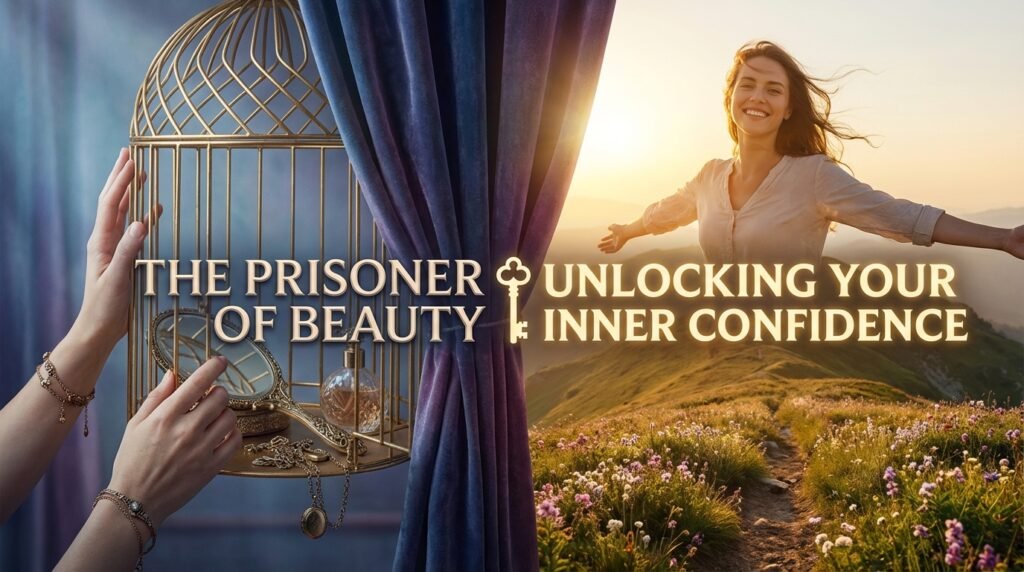
The Prisoner of Beauty is more than a striking phrase. It describes a quiet struggle many people feel every day. You look fine on the outside, yet inside, you feel judged, compared, and never quite enough. That is why The Prisoner of Beauty speaks so deeply to modern life.
In simple terms, The Prisoner of Beauty means feeling trapped by looks, approval, and impossible standards. You may chase praise, fear aging, or measure your value by the mirror. In both the UK and the US, this pressure shows up in daily life. It appears on social media, in adverts, in dating culture, and even in friendly chats.
This article humanly unpacks The Prisoner of Beauty. You will learn what it means, why it hurts, and how to move beyond it. By the end, The Prisoner of Beauty will feel less like a cage and more like a lesson that helps you build real confidence from within.
What Does It Mean to Be ‘The Prisoner of Beauty’?
To be The Prisoner of the Beauty is to let appearance take the driver’s seat. Beauty itself is not the villain. The trouble starts when looks begin to control your confidence, choices, mood, and sense of worth. A person can receive compliments and still feel empty. They can look polished and still feel shaken by one careless remark. That is the hidden sting of The Prisoner of Beauty. It is not about enjoying style, skincare, fashion, or self-expression. It is about becoming emotionally dependent on them. When that happens, you stop wearing beauty lightly and start carrying it like a heavy coat in summer.
The idea also helps explain why so many people feel trapped in a cycle of comparison. You see someone online with perfect skin, perfect hair, and a perfect life. Then your own reflection starts to feel like a report card. That is how The Prisoner of Beauty grows. It turns beauty from something playful into something punishing. A simple analogy makes it clear. Imagine living in a lovely glass house. Everyone praises the shine. Yet you cannot relax because every fingerprint shows. That is what life feels like when you become The Prisoner of the Beauty.
Many readers first encounter the phrase through the drama The Prisoner of Beauty, the Chinese drama The Prisoner of Beauty, or the C-drama The Prisoner of Beauty. In that world, the title carries romance, tension, and emotional symbolism. Yet outside fiction, the phrase still lands. It captures the feeling of being admired and restricted at the same time. That is why The Prisoner of Beauty works so well as a theme for inner confidence. It asks a hard question. Are you living freely, or are you performing for approval?
The Hidden Struggles Behind ‘The Prisoner of Beauty’
The hidden struggles of The Prisoner of Beauty often begin early. A child hears praise for being pretty more often than praise for being brave, clever, or kind. Over time, that shapes identity. In adolescence, the pressure intensifies. Spots, weight, hair, skin tone, clothes, and popularity all start to carry emotional weight. In adulthood, the script becomes more polished, but it does not vanish. Now the pressure wears better packaging. It arrives through beauty trends, anti-ageing promises, and the subtle message that looking good is the same thing as doing well. However, those two things are not the same.
One study pattern seen across body image research is simple and sobering. The more people compare their looks with idealized images, the lower their satisfaction tends to fall. That helps explain why The Prisoner of the Beauty feels so common. Constant comparison chips away at peace. A person may spend hours getting ready only to feel anxious the moment they leave home. They may cancel plans because they dislike how they look that day. They may stare at photos longer than they enjoy the event itself. This is not vanity in the shallow sense. It is an emotional strain. It is the mind treating appearance like a survival issue.
There is also the problem of unstable confidence. If you build your worth on beauty alone, confidence becomes weather-dependent. A breakout ruins the day. A rude comment echoes for weeks. A new wrinkle feels like a crisis. That is the exhausting reality of The Prisoner of Beauty. People caught in it often become perfectionists. They do not simply want to look good. They feel they must. That little word can wreck a lot of peace. It turns grooming into pressure and style into performance.
A simple table shows the pattern clearly:
| Surface experience | Hidden emotional cost |
| Receiving praise for looks | Fear of losing that praise |
| Chasing beauty trends | Feeling behind all the time |
| Comparing yourself online | Lower self-esteem and more self-doubt |
| Seeking perfect photos | Less joy in real moments |
| Fixating on flaws | Stronger shame and anxiety |
There is another layer, too. Validation can become addictive. A compliment feels wonderful, but when you rely on it too heavily, you begin to hunger for the next one. Then silence feels like rejection. This is one reason The Prisoner of the Beauty cuts so deeply. It trains you to outsource your worth. Instead of asking, “Do I respect myself, ” you start asking, “Do they approve of me?” That question has no finish line. It is a treadmill in fancy shoes.
How to Break Free from Being ‘The Prisoner of Beauty’
Breaking free from The Prisoner of Beauty does not mean you stop caring about your appearance. It means you stop letting appearance decide your value. The first step is honest awareness. Notice your patterns without drama. Do you check mirrors constantly? Do you edit every photo before you post it? Do you avoid events when you feel less attractive? Do you scroll through idealised images and feel worse afterwards? Naming the pattern matters because what stays vague tends to stay powerful. Once you can see the trap, you can stop feeding it.
The next step is to widen your definition of beauty. That sounds simple, but it changes everything. Beauty can include warmth, humor, intelligence, steadiness, courage, creativity, and grace under pressure. A person who makes others feel safe is beautiful. A person who keeps going through hard times has beauty. A person who laughs easily and listens well has beauty. When you broaden the meaning, The Prisoner of the Beauty starts to lose its grip. You stop treating beauty like a narrow gate and start seeing it as a wider landscape.
Practical habits help too. Small shifts often beat dramatic promises. Set limits on content that makes you compare yourself harshly. Follow people who look human rather than airbrushed. Wear clothes that feel like you rather than costumes for approval. Speak to yourself in the tone you would use with a friend. That last one matters. Many people trapped in The Prisoner of the Beauty are far harsher with themselves than they would ever be with someone they love. Inner confidence grows when your inner voice stops behaving like a bully in a smart blazer.
A useful paragraph-form list can help here. First, reduce mirror checks to set times rather than random panic checks. Second, keep one promise to yourself each day, even a small one, because self-trust builds confidence faster than compliments do. Third, praise yourself for non-physical wins such as patience, effort, honesty, and skill. Fourth, take photos for memory before you take them for approval. Fifth, when you catch yourself spiralling, ask a grounding question: What matters about me today besides how I look?
Case studies from everyday life show how this works. Consider a woman who used to delete every picture that showed a so-called flaw. She started keeping candid photos from family gatherings, even when they were not perfect. Months later, she noticed something powerful. The best pictures were not the prettiest ones. They were the happiest ones. Another example comes from a university student who stopped following accounts that triggered comparison. Within weeks, she reported feeling calmer and less obsessed with minor imperfections. These are not magic tricks. They are small acts of freedom. Bit by bit, they loosen the cage of The Prisoner of the Beauty.
Lessons We Can Learn from ‘The Prisoner of Beauty’
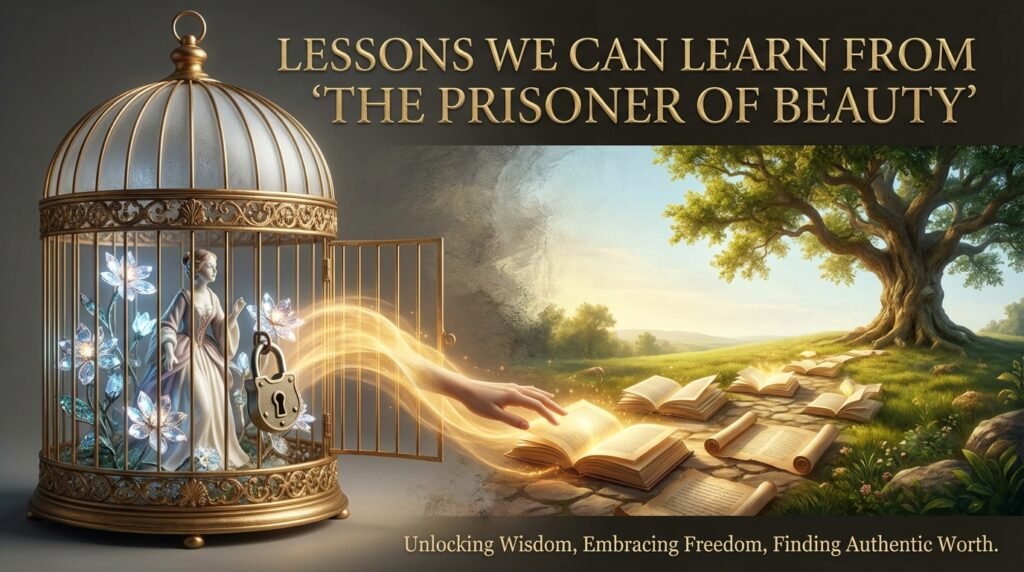
One of the biggest lessons from The Prisoner of Beauty is that appearance can open doors, but it cannot hold your life together. Real confidence needs deeper roots. It grows from character, self-respect, and emotional steadiness. A polished image may impress a room, yet it cannot replace peace of mind. That is why people who seem flawless can still feel insecure. The outer shell may shine while the inner self still feels hungry.
Another lesson is that performance is tiring. When you feel you must always look right, sound right, and appear effortless, life becomes a stage. That constant performance drains joy. It also makes it harder to connect because people never fully meet the real you. They meet the edited version. The Prisoner of the Beauty teaches that freedom begins when you stop performing perfection. There is relief in showing up as a real person rather than a curated project. That is not giving up. It is growing up.
A third lesson is that the mirror tells a thin story. It can show a face, but it cannot show loyalty, courage, humour, tenderness, or grit. A mirror cannot measure wisdom. It cannot capture the way you comfort a friend or persist through grief. When people become The Prisoner of Beauty, they often confuse visibility with value. Yet the most important parts of a person rarely sit on the surface. They live in choices, habits, and the way someone carries themselves through the world.
This is why the phrase also resonates when people search for the prisoner of beauty summary, the prisoner of beauty synopsis, the prisoner of beauty plot, the prisoner of beauty plot summary, or the prisoner of beauty full story. Stories work because they mirror our inner conflicts. Whether someone came looking for the prisoner of beauty review, the prisoner of beauty review and rating, or simply for guidance on self-worth, the deeper lesson remains similar. Beauty can charm, but identity must do the heavier lifting.
Embracing Self-Worth Beyond ‘The Prisoner of Beauty’
Self-worth begins where performance ends. It is the quiet belief that you still matter on ordinary days. Not only on your best hair day. Not only when someone praises your outfit. Not only when you look photogenic. That is the shift beyond The Prisoner of the Beauty. You stop asking whether you look valuable and start living as though you already are valuable. It sounds subtle, yet it changes how you choose relationships, work, boundaries, and goals.
In daily life, self-worth looks practical. It means you do not beg for crumbs in relationships. It means you rest without guilt. It means you let yourself be seen without needing to be flawless. It means you care for your appearance from respect rather than fear. Skincare feels different when it comes from care instead of panic. Clothes feel different when they express you rather than hide you. Exercise feels different when it supports your wellbeing instead of punishing your body. Once again, the act may look the same from the outside, but the inner posture changes everything.
Here is a short comparison table that helps clarify the difference:
| Living as The Prisoner of Beauty | Living with self-worth |
| I must look perfect to feel enough | I am enough, even when I feel ordinary |
| My value rises and falls with praise | My value stays steady |
| I hide flaws at all costs | I accept that being human shows |
| I chase approval | I build self-respect |
| I fear ageing and change | I adapt and grow |
This shift does not happen overnight. However, it becomes easier when you practise one key truth: your body is part of your life, not your full identity. A person can be stylish and still grounded. They can enjoy beauty without worshipping it. That is the sweet spot. You are no longer rejecting beauty, nor are you obeying it like a strict headteacher. You are placing it in proportion.
For some readers, this topic also connects with cultural curiosity around the prisoner of the beauty characters, the prisoner of beauty Xiao Qiao, the prisoner of beauty Wei Shao, the prisoner of beauty main couple, the prisoner of beauty relationship development, the prisoner of beauty family rivalry, and the prisoner of beauty political romance. Those search phrases show how often people use stories to understand themselves. They want to know what characters reveal about love, power, identity, and growth. In real life, your own story matters just as much. You are not just watching a transformation. You are living one.
Why ‘The Prisoner of Beauty’ Is a Journey Worth Exploring
Exploring The Prisoner of Beauty matters because the issue reaches far beyond appearance. It touches identity, belonging, desire, fear, and the need to be seen. In that sense, the journey is not only about beauty. It is about freedom. It is about asking what has been driving your choices. Are you dressing for joy or for defence? Are you grooming from care or from panic? Are you sharing your life or advertising it? Those questions can feel uncomfortable, but they are useful. They turn a vague ache into a clear path.
This journey also gives you compassion for other people. Once you understand the pressure in The Prisoner of the Beauty, you start to see how widespread it is. You notice the friend who jokes about her face every time a camera appears. You notice the man who ties his worth to status, style, and youth. You notice how often society rewards polish and overlooks peace. That awareness can soften judgement. It can make you kinder to yourself and gentler with others.
For readers who first arrived here through entertainment interest, it helps to put those searches in context. Many people look for the prisoner of beauty cast, the prisoner of beauty drama cast, the prisoner of beauty song zuer, the prisoner of beauty liu yuning, the prisoner of beauty song zuer and liu yuning, zhe yao drama, zhe yao cast, or zhe yao synopsis because they are drawn to the title and its emotional weight. Others search for the prisoner of beauty episodes, the prisoner of beauty episode guide, the prisoner of beauty latest episodes, the prisoner of beauty drama recap, the prisoner of beauty ending, the prisoner of beauty ending explained, the prisoner of beauty best scenes, or the prisoner of beauty fan review because stories help people process feelings through narrative. Still others search for the prisoner of beauty ost, the prisoner of beauty trailer, the prisoner of beauty watch online, where to watch the prisoner of beauty, the prisoner of beauty subtitles, the prisoner of beauty english subtitles, the prisoner of beauty release date, Tencent Video drama, viki chinese drama, or netflix chinese romance drama because culture now travels through streaming, clips, and fandom. Yet beneath all those searches sits a timeless question. What happens when beauty and identity become tangled together?
That is why The Prisoner of Beauty is worth exploring. It gives language to a problem people often feel but rarely name. Once named, it becomes easier to challenge. Once challenged, it becomes possible to change. And once you change your relationship with beauty, confidence no longer feels like a costume. It starts to feel like home.
Cultural Meaning and Modern Relevance of The Prisoner of Beauty
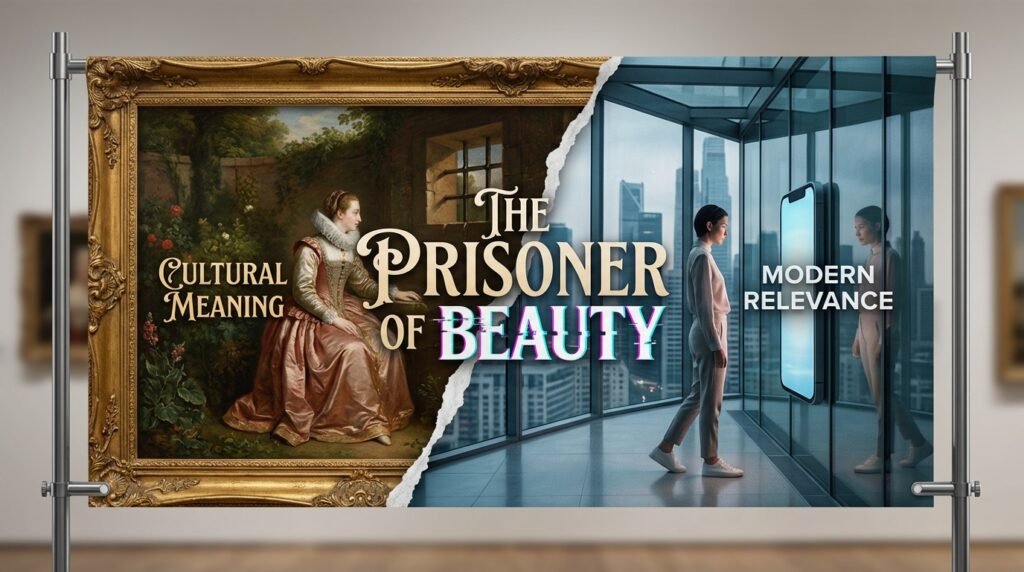
In modern culture, The Prisoner of Beauty lands because pressure to be beautiful has become more constant, more visual, and more public. In the past, comparison lived in smaller circles. Today it lives in your pocket. A person can wake up, open an app, and see hundreds of faces filtered into perfection before breakfast. That daily exposure changes how people judge themselves. It also helps explain why the prisoner of beauty chinese historical romance, the prisoner of beauty historical chinese series, the prisoner of beauty costume drama, costume romance chinese drama, chinese historical romance drama, period romance drama, the prisoner of beauty romantic period drama, the prisoner of beauty arranged marriage story, and the prisoner of beauty enemies to lovers romance resonate so strongly as phrases. The themes may be historical or dramatic, but the emotional struggle feels current.
The phrase also taps into a contradiction people know well. Society praises beauty, yet it also punishes people for caring too much about it. You are expected to look effortless after hours of effort. You are expected to age naturally while somehow resisting every sign of time. It is a no-win game. That is the rotten magic trick at the centre of The Prisoner of Beauty. You are told beauty matters, but you are also mocked for chasing it—no wonder so many people feel torn.
A useful insight here is simple. Confidence grows when your appearance becomes one expression of self, not the foundation of self. That is a quieter form of power. It does not vanish when trends change. It does not wobble when someone else walks into the room looking immaculate. It lets you appreciate beauty without becoming beholden to it. That is the real unlock hidden inside The Prisoner of Beauty.
FAQs
Why do people feel pressure about appearance so deeply?
Social media, culture, and praise shape self-image early. The Prisoner of Beauty grows when looks start to define your value.
Can confidence depend too much on physical beauty?
Yes. When confidence rests only on appearance, The Prisoner of Beauty makes one bad comment feel far bigger than it is.
Is caring about style the same as being trapped?
No. Enjoying style is healthy. The Prisoner of Beauty begins when your worth depends on how polished you look.
Does this struggle affect men as well?
Absolutely. The Prisoner of Beauty affects anyone who ties identity, status, youth, or desirability too tightly to appearance.
How can someone start building inner confidence?
Start small. The Prisoner of Beauty weakens when you keep promises to yourself and value traits beyond the mirror.
Why does social media make this problem worse?
It floods your mind with edited images. The Prisoner of Beauty thrives when comparison becomes a daily habit.
Can people really move beyond this mindset?
Yes, they can. The Prisoner of Beauty loses power when self-respect outweighs the need for approval.
Conclusion
The Prisoner of Beauty is not just about looks. It is about the fear of not being enough without them. That is why The Prisoner of Beauty feels so personal for many people. It touches confidence, identity, and the way you move through the world.
The good news is simple. The Prisoner of Beauty does not have to stay in charge. You can enjoy beauty without serving it. You can care for yourself without turning your reflection into a judge. You can build confidence that stays steady on ordinary days. That is the real lesson inside The Prisoner of Beauty. Your worth runs deeper than your appearance. Real confidence grows when you trust yourself, respect yourself, and let beauty become one small part of a much larger life. In that sense, The Prisoner of Beauty is not only a struggle. It is also a doorway to freedom, calm, and lasting self-worth.
Elevate your look with creative beauty creations. Learn tips, tricks, and must-have products for a radiant, everyday glow you’ll love.